AOG Management: How LATAM Airlines Cut Aircraft Downtime
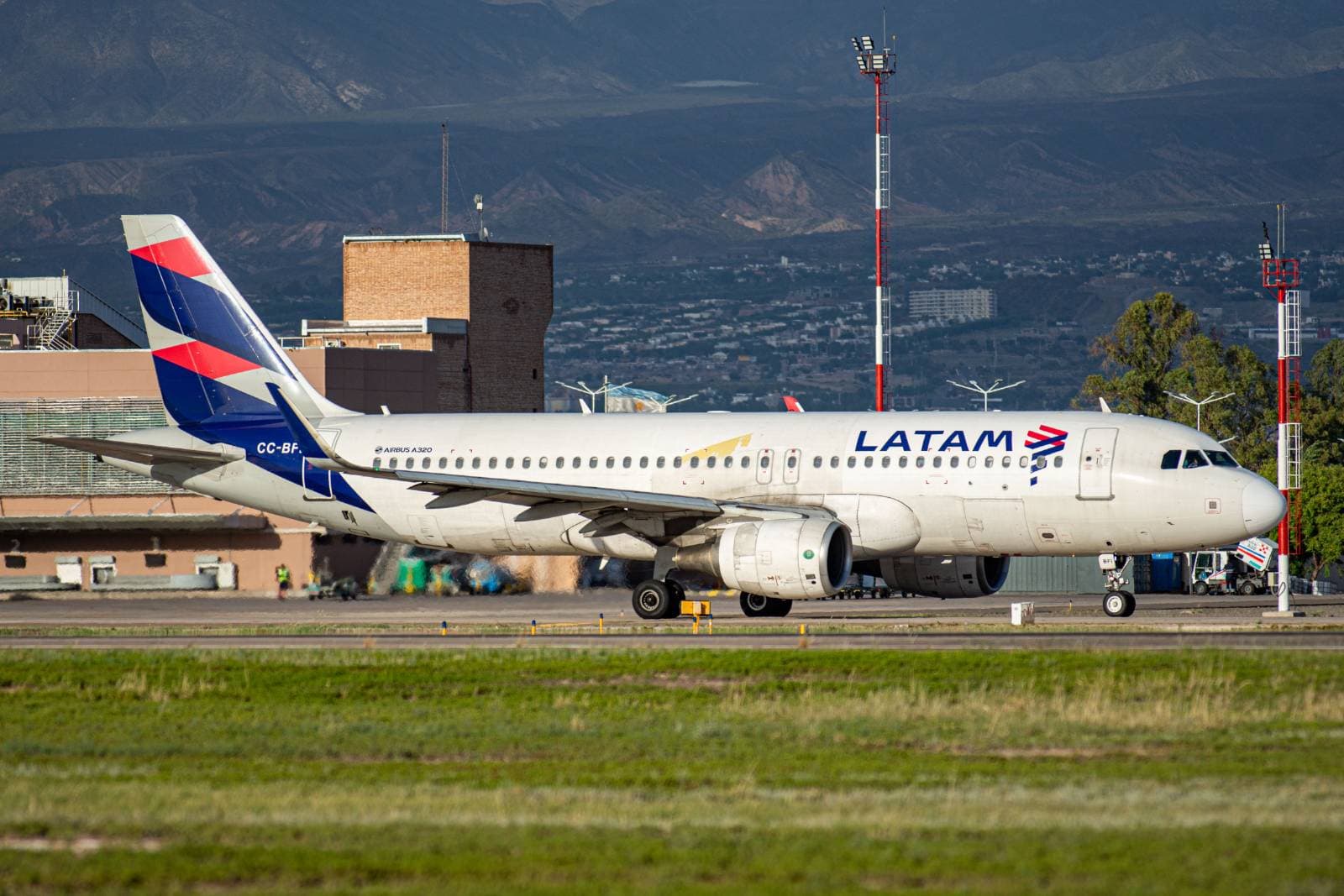
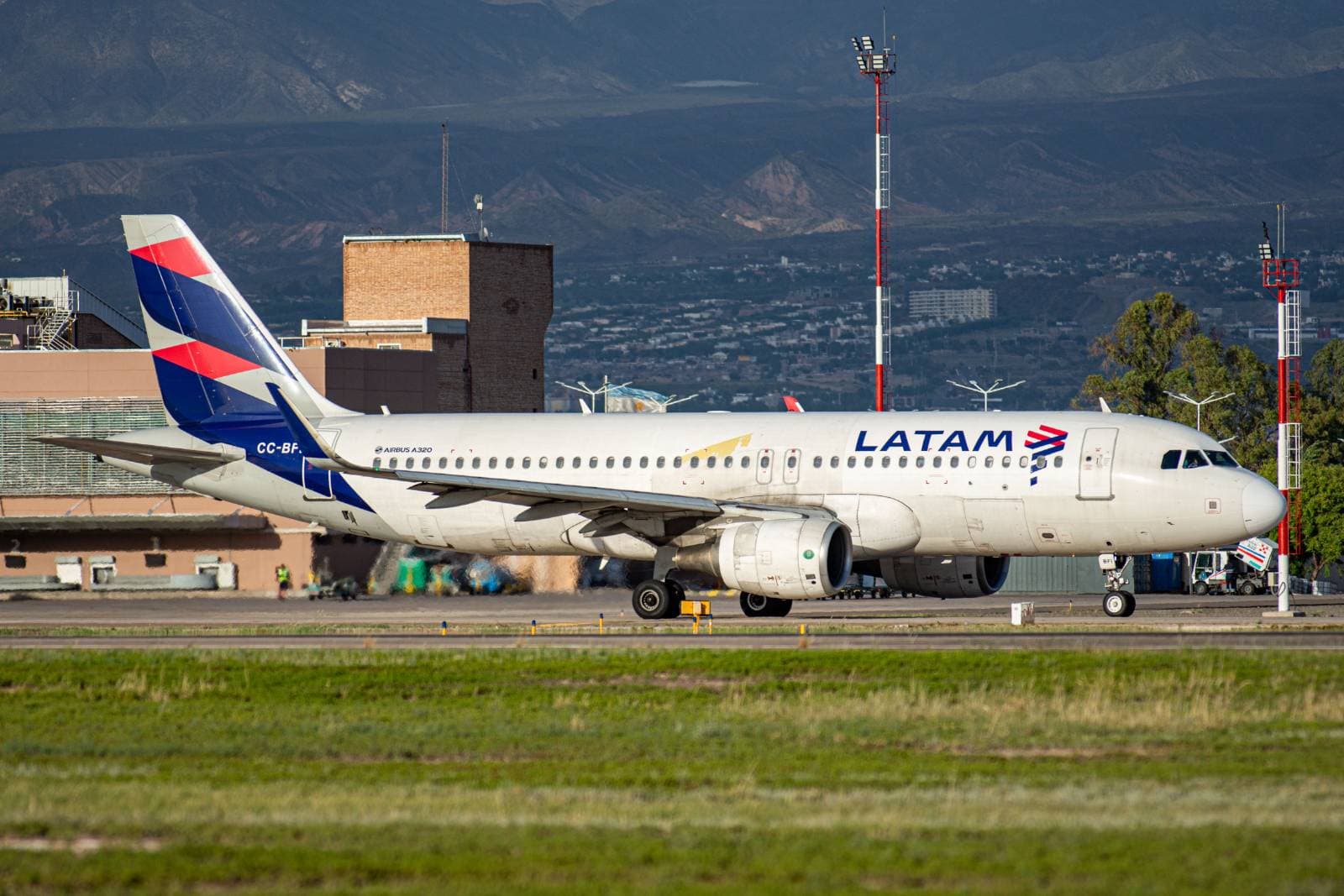
Few problems cost an airline as much as a grounded aircraft. Aircraft on ground (AOG) management is one of the toughest operational challenges in aviation, and it was exactly this challenge that drove the partnership between Agence and LATAM Airlines, one of the largest airlines in Latin America. What began as a targeted project for the Kaizen department (the team responsible for identifying bottlenecks and driving continuous process improvement) evolved into a set of systems that changed how LATAM handles maintenance, parts supply chain, and delay control.
What is AOG in aviation, and why it's one of the industry's biggest challenges
AOG stands for Aircraft on Ground, the situation in which a plane can't fly because a part needs repair or replacement. The impact is immediate: every grounded aircraft means high operational cost, the risk of fines from airports, and, in a chain reaction, delays across other routes. To grasp the scale of the problem, consider the numbers: a commercial aircraft has roughly 370,000 parts, and a fleet the size of LATAM's, with more than 330 aircraft spread across airports worldwide, multiplies that complexity exponentially. When the process of finding, purchasing, and delivering the right part depends on manual communication between departments, aircraft downtime stretches on, and costs climb right along with it.
LATAM's challenge: manual processes across a fleet of more than 330 aircraft
Back in 2013, LATAM was struggling with efficiency in resolving AOG cases. Its aircraft parts supply chain management ran on Excel spreadsheets and systems that didn't talk to each other. That created four concrete pain points: logistical complexity with no centralized control over the parts and fleet network, decentralized communication among the various teams involved in resolving each case, a high error rate caused by manual work, and, as a direct consequence, significant financial impact from exposure to airport fines. This wasn't an isolated technology problem, it was a process problem that the right technology could solve.
Agence's methodology: Lean, Design Thinking and Scrum applied to aviation
Before proposing any system, Agence worked side by side with LATAM's Key Users team to map the root causes of the problems. This consulting and prototyping phase followed four clearly defined stages, combining Lean, Design Thinking and Scrum:
- Needs analysis: identifying the problem, investigating root causes, and designing a Minimum Viable Product (MVP).
- Prototype: refining ideas, validating with the client, and adjusting based on feedback received.
- Build: constructing the solution, testing, and certification.
- Deployment: going live, monitoring, and ongoing support.
This method wasn't designed to solve just one specific system. It became the replicable foundation of the entire partnership, later applied to every new challenge identified within LATAM's operations.
AOG management system: how centralization cut ground time and fines
The most emblematic project of the partnership was the AOG management portal, built to centralize every stage of the process, from maintenance notification to aircraft release, with built-in delivery network intelligence. The solution rested on three pillars: an integrated management portal that unified communication across teams, document standardization to speed up searches and purchase approvals, and data-driven traceability to track deliveries and calculate the best sourcing routes for parts, whether prioritizing speed, cost, or other strategic criteria.
With this structure in place, LATAM's team began locating and reviewing AOG aircraft in a standardized way, clearly identifying the reasons behind each grounding and its downtime. The practical outcome was automated procurement, with centralized and secure information, visual management of every stage across the operation, and a reduction in aircraft downtime, since parts purchases were now guided by better and faster decisions.
Every grounded aircraft represents operational cost and exposure to fines. Solving AOG isn't just a technology question, it's a question of well-designed process.
Maint Control, Hit List and CASS: the other systems that completed the transformation
The AOG management portal wasn't built in isolation. It was part of a broader set of process automation solutions Agence developed for LATAM. Maint Control began monitoring aircraft maintenance work in real time, giving visibility into schedules, resource use, and issue management across different shifts and technician teams. Hit List solved the challenge of tracking cabin condition across a fleet that's constantly on the move, replacing manual spreadsheet control with monthly inspections that generate clear KPIs on the state of every cabin element. Meanwhile, CASS (Continuous Analysis and Surveillance System) consolidated delay information and AOG management plans coming from LATAM's different subsidiaries, enabling the construction of medium-term action plans to reduce repeated errors over time.
Together, these four systems form a solid example of custom-built MRO (Maintenance, Repair and Overhaul) software solutions, and show how digital transformation in aviation moves forward when it starts from a real process diagnosis, not from a checklist of off-the-shelf technologies. Much of this architecture was made possible by custom web development, capable of integrating departments that used to work in isolation.
Results and legacy of the Agence and LATAM Airlines partnership
By replacing isolated spreadsheets and disconnected systems with centralized, standardized platforms, the partnership between Agence and LATAM helped reduce aircraft downtime and exposure to airport fines, increase efficiency in maintenance and supply chain operations, improve communication across teams and subsidiaries, and generate the kind of data intelligence that now supports more strategic decisions. More than delivering software, Agence helped LATAM rethink how each department handles information, priorities, and communication between teams.
The LATAM case shows that the same method applied to AOG management can be extended to any complex operation still relying on manual processes and disconnected systems, whether in aviation, logistics, or other critical operational chains. If your company faces similar bottlenecks, whether in maintenance, supply chain, or operations control, talk to Agence and find out how to apply this same methodology to your own context.